
Payment Processing vs Payment Gateway and How They Can Work Together
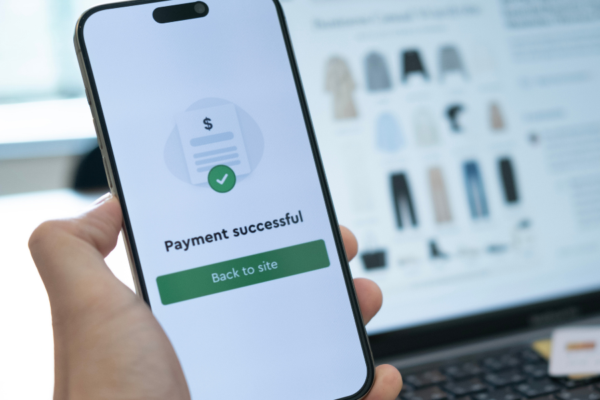
What is Payment Processing?
Payment processing refers to the series of steps that occur when a customer makes a purchase using a credit card, debit card, or other digital payment methods. This process involves multiple parties, including the merchant, acquiring bank, issuing bank, and payment processor. The payment processor acts as an intermediary, handling the transfer of transaction data, authorizing the payment, and ensuring the correct amount is debited from the customer’s account and credited to the merchant’s account. Each transaction must be verified for accuracy and security before funds are settled.
Behind the scenes, payment processing involves communication between different financial institutions to check for sufficient funds, prevent fraud, and comply with regulatory requirements. This process is designed to be fast and seamless for the end user, often taking just a few seconds to complete. However, it involves complex backend systems that handle transaction routing, data encryption, and dispute resolution. A reliable payment processor is crucial for businesses to securely accept a wide range of payment methods while minimizing risks and delays.
In this article:
What Is a Payment Gateway?
A payment gateway is a technology solution that securely transmits payment information from a customer to the payment processor. When a customer enters payment details on a website or at a point-of-sale terminal, the payment gateway encrypts this information and forwards it to the payment processor for authorization. The gateway acts as a bridge, ensuring that data is transmitted safely between the merchant, customer, and financial institutions involved in the transaction.
Payment gateways provide a secure interface for online or in-person transactions, often including fraud detection and tokenization features. They handle the initial steps of the payment process, including transaction request validation and compliance with security standards such as PCI DSS. For e-commerce businesses, a payment gateway enables card-not-present transactions and protects customer data from interception or misuse.
[Related content: Read our guide to Payment Gateway Providers]
Payment Processing vs Payment Gateway: Key Differences
1. Primary Role
The primary role of a payment processor is to handle the backend logistics of transferring funds between the customer’s bank and the merchant’s bank. It ensures that transactions are routed correctly, funds are moved securely, and all parties receive accurate records of the transaction. The processor manages financial operations that support electronic payments, including settlement, chargebacks, and compliance with banking regulations.
In contrast, the payment gateway’s main role is to act as the entry point for transaction data. It interfaces directly with the customer and merchant, capturing payment details and securely passing them to the payment processor. While the processor manages the movement of money, the gateway focuses on data security, transaction authorization, and the checkout experience.
2. Position in Payment Flow
In the payment flow, the payment gateway is the first point of contact for payment data. It collects and encrypts the customer’s payment information at the checkout stage, whether online or at a physical terminal. Once the gateway verifies and secures the data, it sends this information to the payment processor for further action. The gateway’s position helps ensure sensitive information does not leave the merchant’s environment unprotected.
The payment processor enters the flow after the gateway, receiving the encrypted transaction details and initiating the authorization process with the customer’s issuing bank. The processor manages communication between banks, determines whether the transaction is approved or declined, and coordinates the transfer of funds. This relationship shows how gateways and processors work together but serve distinct roles in the payment lifecycle.
3. Function
The function of a payment processor is to manage the technical and financial aspects of moving money between accounts. This includes transaction authorization, clearing, and settlement. Payment processors also handle tasks such as fraud monitoring, chargeback management, and reporting. Their systems must handle large transaction volumes without delays or errors, making them a core part of digital commerce infrastructure.
The payment gateway’s function is to provide a secure and user-friendly interface for submitting payment information. Gateways often support multiple payment methods, integrate with shopping carts or POS systems, and offer features like recurring billing or mobile payments. Their focus is on transaction security, compliance, and integration with merchant platforms, ensuring that payment data flows into the processing backend.
4. Integration with Business Systems
Payment processors typically integrate with business systems such as accounting software, ERP platforms, and merchant dashboards. These integrations enable real-time transaction reporting, automated reconciliation, and financial management for merchants. Processors may offer APIs or plug-ins to support custom integrations, helping businesses maintain control over their payment operations and data.
Payment gateways also integrate with business systems, especially e-commerce platforms and point-of-sale solutions. They often provide SDKs, plugins, or hosted checkout pages that can be embedded into merchant websites or apps. The goal is to make it easy for businesses to accept payments through multiple channels while maintaining a consistent and secure customer experience. Integration capabilities are a key consideration when choosing a gateway, as they directly impact deployment time and flexibility.
How Payment Gateways and Payment Processors Work Together
Payment gateways and payment processors operate as connected layers in the same transaction workflow. The gateway handles the secure collection and transmission of payment data, while the processor manages financial communication between banks. Together, they enable a complete payment cycle from customer checkout to fund settlement:
- The process begins when a customer enters payment details on a website, mobile app, or point-of-sale terminal.
- The payment gateway encrypts this information and performs validation checks. It then forwards the transaction data to the payment processor. This protects sensitive card data before it moves through financial networks.
- Once the processor receives the transaction request, it sends the information to the card network and the customer’s issuing bank. The issuing bank verifies the card details, checks available funds, and evaluates fraud signals.
- The issuing bank returns an approval or decline message through the processor and back to the gateway, which displays the result to the merchant and customer.
- If the transaction is approved, the processor continues with clearing and settlement. During this stage, funds are transferred from the issuing bank to the merchant’s acquiring bank and deposited into the merchant account.
- The gateway’s role is largely complete after authorization, while the processor manages the movement of funds and reporting that finalize the payment.
How to Evaluate Payment Gateways and Processors
🔒Security and Compliance
Security and compliance are critical factors when selecting a payment gateway or processor. Both must adhere to PCI DSS requirements, ensuring that cardholder data is encrypted and handled securely at every stage of the transaction. Look for solutions that offer features like end-to-end encryption, tokenization, and real-time fraud detection to reduce the risk of data breaches or unauthorized transactions.
Compliance also extends to local and international regulations, such as GDPR for data protection or PSD2 for strong customer authentication in Europe. Businesses should verify that their gateway and processor partners have up-to-date certifications and provide regular security audits. Choosing a provider with a proven compliance record helps protect both the merchant and customer from legal and financial consequences.
💰Transaction Fees and Pricing Structure
Transaction fees and pricing structure can significantly impact a business’s bottom line. Payment processors and gateways typically charge a combination of per-transaction fees, monthly service charges, and sometimes setup or integration costs. The fee structure may vary based on transaction volume, payment method, or risk profile, so it is important to understand the total cost of ownership before making a decision.
Merchants should compare providers not just on headline rates, but also on fees such as chargeback costs, cross-border surcharges, or currency conversion charges. Transparent pricing and flexible plans support growing businesses by allowing better budgeting and scalability. Evaluating the full fee breakdown helps prevent surprises as payment volume increases.
💳Supporting Payment Methods
The range of supported payment methods is a key selection criterion for both gateways and processors. Consumers expect to pay with credit and debit cards, digital wallets, bank transfers, and sometimes cryptocurrencies. A provider that supports multiple payment options can help businesses reach a broader audience and increase conversion rates by matching customer preferences.
It is also important to assess how easily new payment methods can be added as technology evolves or as the business expands into new markets. Some gateways and processors offer modular support for emerging payment types, while others may require complex integration. Flexibility in supported payment methods allows businesses to remain competitive in a changing payments landscape.
[See also: Our guide to subscription payment processing]
⚡Settlement Speed
Settlement speed refers to how quickly funds from a transaction are deposited into the merchant’s account. Faster settlement improves cash flow and financial planning for businesses, especially those with high transaction volumes or tight operating margins. Some processors offer same-day or next-day settlement, while others may take several business days to complete the process.
When evaluating providers, it is important to understand their settlement timelines and any factors that could delay fund transfers, such as weekends, holidays, or additional verification steps. Clear settlement policies and reliable timelines help businesses manage their finances and avoid disruptions caused by delayed payments.
🛒Customer Experience and Checkout Flow
Customer experience and checkout flow play a major role in the effectiveness of a payment system. A well-designed checkout process should be fast, intuitive, and require minimal steps to complete a purchase. Payment gateways and processors that support streamlined checkout options, such as one-click payments, autofill for returning customers, and mobile-friendly interfaces, can reduce cart abandonment.
In addition to a smooth checkout experience, responsive support and reliable service are essential when issues arise. Payment disruptions, integration bugs, or account holds can directly impact revenue, making timely and knowledgeable support critical. Look for providers that offer 24/7 technical assistance, dedicated account managers, and comprehensive documentation or developer tools. Strong service levels reduce downtime, speed up issue resolution, and ensure that payment operations run reliably as the business scales.
Why Choose Luqra as Your Payment Processor and Gateway
Digital payments should make growth easier. Instead, many businesses find themselves dealing with sudden account freezes, arbitrary limits, and delayed payouts just as they start gaining traction. That unpredictability can turn momentum into frustration overnight.
Luqra approaches digital payments differently. Every account is underwritten with scale in mind, which means businesses are not penalized for growth or unexpected spikes in volume. There are no artificial caps, no surprise holds, and no guessing when your funds will arrive.
With direct integrations into major platforms like Shopify and WooCommerce, as well as leading gateways, businesses can transition without downtime or operational disruption. At the same time, automated fraud prevention and chargeback management tools actively protect revenue, stopping issues before they escalate.
Digital commerce moves fast. Your payment processor should keep up without creating new risks. Luqra provides the infrastructure and support needed to scale confidently in a digital-first world.
In this guide:
Learn more
- Complete Guide to Payment Processing in 2026: Process and Technology
- Online Payment Processors: Top 8 Solutions and How to Choose [2026 Guide]
- Payment Gateway Providers: Key Features & Top 12 Solutions in 2026
- High-Risk Payment Processing: How It Works & Key Features
- Payment Processing vs Payment Gateway and How They Can Work Together
- Subscription Payment Processing Basics & Top 15 Providers in 2026