
Payment Processing for E-Commerce Businesses: Quick Guide
What is an E-Commerce Payment Processor?
An e-commerce payment processor is a financial service that enables online businesses to accept and process electronic payments from customers. It acts as the technical and financial intermediary between an e-commerce store, the customer’s payment method, card networks, and banks. Without a payment processor, an online business cannot securely transmit payment data, authorize transactions, or receive funds from card-based or digital payments.
In e-commerce, payment processors handle far more than the movement of funds. They manage the secure transmission of sensitive payment information, initiate authorization requests, coordinate settlement, and provide reporting that allows merchants to track revenue and identify issues.
Many processors also play a central role in fraud detection, dispute handling, and regulatory compliance, all of which are critical in card-not-present (CNP) environments.
Payment Processing for E-Commerce Businesses
For most e-commerce merchants, working with a third-party payment processor is the only practical way to accept payments at scale. Establishing direct relationships with card networks and issuing banks would require extensive technical infrastructure, regulatory approvals, and ongoing risk management. Payment processors simplify this process by offering standardized integrations, security controls, and operational tooling.
E-commerce payment processors differ from processors used exclusively for physical retail. Online transactions carry higher fraud risk, different authorization rules, and stricter monitoring requirements.
As a result, e-commerce processors must be designed specifically for digital checkout flows, recurring billing, subscriptions, and cross-border transactions.
Core Components of the Payment Ecosystem
E-commerce payment processing relies on several interconnected components that work together to complete a transaction. Each component serves a distinct role, and weaknesses in any one area can affect authorization rates, security, or cash flow.
1. Payment Gateway
A payment gateway is the technology layer that captures payment information from the customer and securely transmits it to the payment processor. In e-commerce environments, the gateway is typically embedded directly into the checkout experience or hosted externally by the provider.
When a customer enters card details or authorizes a digital wallet payment, the gateway encrypts this data before transmission. This ensures that sensitive information cannot be intercepted or accessed by unauthorized parties. Encryption at the gateway level is a key requirement for PCI DSS compliance.
Payment gateways often support additional validation and authentication features. These can include address verification, CVV checks, device fingerprinting, and step-up authentication methods such as 3D Secure. These tools help reduce fraud and improve transaction legitimacy without significantly increasing friction.
Some e-commerce platforms include a native gateway, while others allow merchants to choose from multiple gateway providers. This flexibility can be important for businesses that want to optimize approval rates, negotiate pricing, or switch processors without rebuilding their checkout.
2. Payment Processor
The payment processor is responsible for moving transaction data through the financial system. After receiving encrypted payment details from the gateway, the processor sends an authorization request to the appropriate card network.
The card network routes the request to the issuing bank, which evaluates the transaction. The issuing bank checks available funds, card validity, account standing, and fraud indicators before issuing an approval or decline decision.
In addition to authorization, the processor manages clearing and settlement. Approved transactions are grouped into batches and submitted for settlement through banking networks. The processor coordinates the transfer of funds to the merchant account and provides settlement reports that detail fees, deposits, and adjustments.
Processors also manage operational events such as refunds, reversals, and chargebacks. Their policies and tooling around these processes can significantly impact merchant risk and administrative workload.
3. Merchant Account
A merchant account is a specialized bank account that receives funds from processed transactions. In traditional acquiring models, each merchant is issued a dedicated merchant account following underwriting and risk assessment.
Some modern e-commerce processors operate under a payment facilitator model. In this structure, multiple merchants process payments under a master account controlled by the provider. While this simplifies onboarding, it can also limit flexibility and increase the likelihood of account restrictions if risk thresholds are exceeded.
Dedicated merchant accounts typically provide higher processing limits, greater pricing flexibility, and improved account stability. However, they require more documentation and longer approval timelines. Understanding which model a processor uses is essential for long-term planning.
How E-Commerce Payment Processing Works
E-commerce payment processing follows a structured sequence of events that occur within seconds. While the process appears simple to customers, it involves multiple systems and decision points.
1. Customer Checkout
The process begins when a customer initiates checkout on an e-commerce site and selects a payment method. This may involve entering card information, selecting a saved payment method, or authorizing a digital wallet.
Checkout design plays a significant role in conversion. Clear layouts, minimal required fields, and support for preferred payment methods can reduce abandonment. Many processors provide prebuilt checkout components to standardize this experience.
At this stage, payment information is collected, but no authorization has yet occurred.
2. Data Encrypted
Once payment information is submitted, it is encrypted immediately by the payment gateway. Encryption ensures that sensitive data remains unreadable during transmission between systems.
Tokenization may also occur at this point. Tokenized payment data allows merchants to store payment credentials for future use without retaining raw card information. This is especially important for subscriptions and repeat purchases.
3. Authorization
The processor submits an authorization request through the card network to the issuing bank. This request includes transaction details such as amount, merchant category, and risk indicators.
The issuing bank evaluates the request and returns an approval or a decline. This decision is influenced by account status, spending limits, geographic patterns, and fraud detection systems.
4. Approval or Decline
An approved transaction allows the checkout to complete and the order to be fulfilled. A declined transaction requires the customer to retry or select an alternative payment method.
Authorization responses are logged and included in reporting, allowing merchants to analyze decline reasons and optimize acceptance rates.
5. Transaction Complete
The processor submits an authorization request through the card network to the issuing bank. This request includes transaction details such as amount, merchant category, and risk indicators.
The issuing bank evaluates the request and returns an approval or a decline. This decision is influenced by account status, spending limits, geographic patterns, and fraud detection systems.
Best E-Commerce Payment Processors
The e-commerce payment processing landscape includes providers that serve different business sizes, geographies, and technical requirements.
Different industries and verticals have different requirements. From fraud prevention and detection tools to merchant accounts that don’t freeze due to transaction spikes, e-commerce has its own environment to which payment processors must adapt.
Payment processors need the infrastructure, capability, and knowledge to successfully power the e-commerce businesses that require those services.
Luqra
Luqra is a payment processing and financial technology provider focused on supporting e-commerce businesses with complex risk profiles, scaling volume, or operational constraints. It offers customized merchant processing programs rather than standardized accounts.
Luqra emphasizes account stability, transparent underwriting, and ongoing risk monitoring. Merchants typically work with a dedicated representative and receive guidance as their business evolves.
The platform integrates with major e-commerce platforms and payment gateways, allowing merchants to maintain flexibility while improving visibility into transaction performance and risk exposure.
Luqra’s Strengths:
- Built for high-risk and scaling e-commerce businesses, not one-size-fits-all platforms
- Fewer holds and freezes with underwriting that actually understands your business
- Chargeback-aware infrastructure that helps protect ratios and processing stability
- Real human support with dedicated reps, not bots or ticket loops
- Flexible solutions that scale with volume spikes, subscriptions, and growth

Stripe
Stripe is a widely adopted e-commerce processor known for its API driven architecture. It supports global payments, subscriptions, and marketplace models.
Stripe combines gateway, processing, and merchant account functionality into a single platform. While this simplifies setup, it also centralizes risk management under Stripe’s internal policies.
Stripe’s Strengths:
- Fast onboarding and easy setup for new e-commerce businesses
- Developer-friendly APIs and extensive documentation for custom builds
- Wide range of built-in tools for payments, subscriptions, and invoicing
- Global payment acceptance with support for multiple currencies and methods
- Scalable infrastructure that handles large transaction volumes reliably


Adyen
Adyen serves enterprise and international e-commerce merchants. It provides local acquiring, unified commerce capabilities, and advanced reporting.
Adyen is typically used by businesses with significant transaction volume and in-house technical teams.
Adyen’s Strengths:
- Single platform for payments, data, and financial reconciliation across channels
- Strong global acquiring network with local payment method support
- Advanced fraud and risk management tools built into the platform
- Unified reporting and analytics across online and in-person transactions
- Enterprise-grade infrastructure designed for large, international businesses

Square
Square offers e-commerce payment processing alongside in-person solutions. It is commonly used by small to mid-sized businesses seeking simplicity.
Square provides transparent pricing and integrated tools, though it may be less suitable for higher-risk or rapidly scaling e-commerce operations.
Square’s Strengths:
- Simple setup with hardware and software designed to work together
- Integrated point-of-sale tools for in-person and online sales
- Transparent, flat-rate pricing that is easy to understand
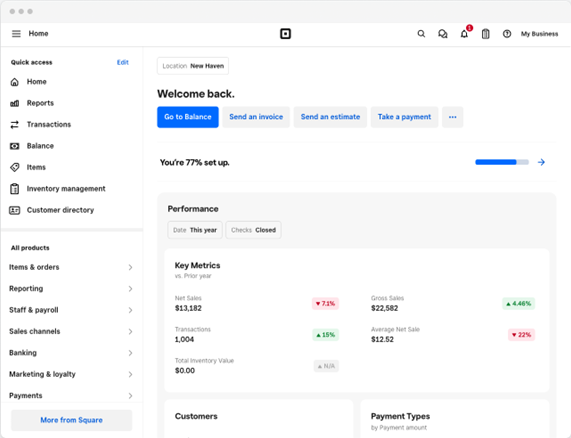
- Built-in features for inventory, invoicing, and basic reporting
- Well-suited for small businesses with straightforward payment needs

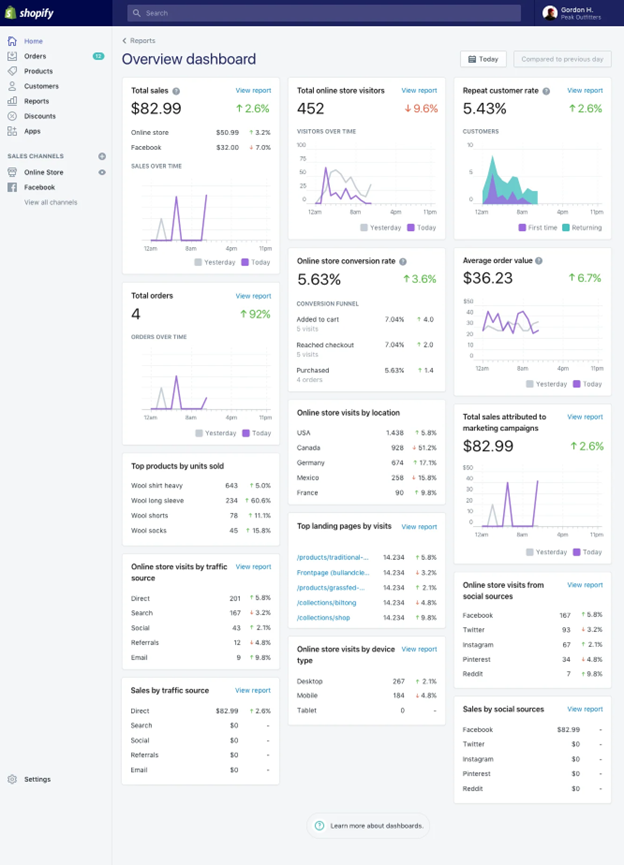
Shopify Payments
Shopify Payments is the native processor for Shopify-based e-commerce stores. It allows merchants to accept payments without external integrations.
While convenient, it is limited to the Shopify ecosystem and may not meet the needs of merchants requiring specialized processing arrangements.
Shopify's Strengths:
- All-in-one e-commerce platform combining storefront, hosting, and checkout
- Native integration with Shopify Payments and major third-party processors
- Large app ecosystem for extending store functionality
- User-friendly interface for managing products, orders, and customers
- Scalable plans that support businesses from launch through growth

How to Evaluate and Choose an E-Commerce Payment Processor
Choosing an e-commerce payment processor requires careful evaluation across financial, technical, and operational factors.
Pricing Models, Interchange, and Surcharge Considerations
Processors use various pricing structures that affect overall cost. Merchants should understand interchange, processor markups, chargeback fees, refund fees, and any monthly minimums. Pricing and costs don’t just impact revenue; they can also impact operations.
Businesses need to consider the potential fees and reserves they could incur when choosing a payment processor. That includes doing the research to understand pricing and to understand the pricing offered by individual processors.
Why? Because pricing transparency is critical for forecasting margins and scaling sustainably.
Compatibility With Platforms, Carts, and Backend Systems
Integration with existing e-commerce platforms, accounting tools, and subscription systems reduces operational friction. Merchants should confirm long-term compatibility and API stability.
Different platforms offer different advantages, and all e-commerce businesses need to take that into consideration. Processing platforms that can integrate with services or SaaS like Shopify, SalesForce, and many others can give them all of the potential advantages that can promote growth, success, and stability.
Scalability, Performance, and Uptime Guarantees
As transaction volume increases, processors must handle higher throughput without latency or downtime. Uptime guarantees and redundancy measures are essential for revenue protection.
Consumers are finicky and have long-term memories. If a business has a poorly-operated website with performance issues that impact transactions, that will stick with them. E-commerce businesses especially feel that difference, meaning they require the kind of payment processing that can maintain operations, improve operations, and expand operations.
International Support, Currencies, and Cross-Border Features
Merchants selling globally require multi-currency support, local payment methods, and compliance with regional regulations. Settlement timing and foreign exchange costs should be clearly defined.
Selling to a foreign market already comes with its own hurdles and regulatory requirements. E-commerce businesses already have to conduct extensive research to ensure compliance, and that extends to their payment processing services. International e-commerce businesses need support that can solve cross-border and currency issues without additional hassle.
Quality of Reporting, Analytics, and Reconciliation Tools
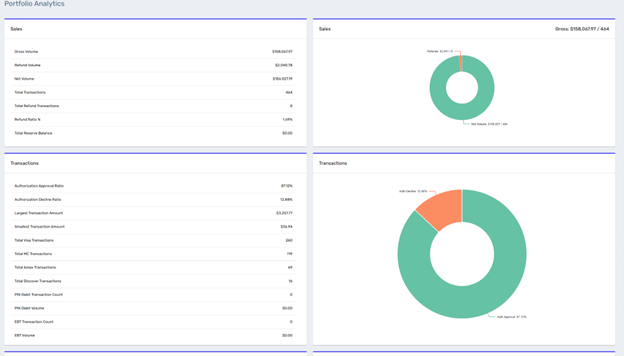
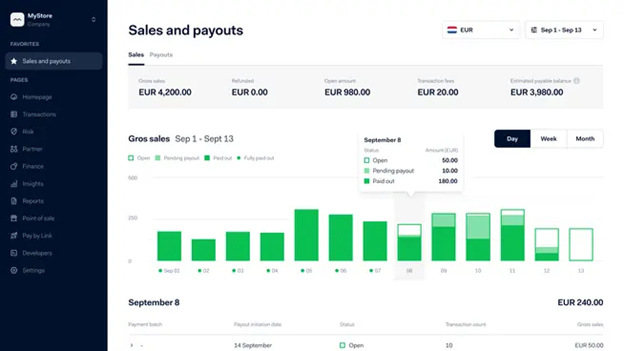
Accurate reporting enables reconciliation, auditing, and performance optimization. Strong analytics help merchants identify trends, risks, and growth opportunities.
Roadmaps are essential for creating plans that can lead to growth and scaling. That requires insight that helps draw those maps, the kind of insight that comes from detailed reporting and analysis that can define strengths and identify weaknesses. Processors need to offer that kind of informational infrastructure if they’re going to operate for e-commerce businesses.
A Practical Option for Scaling E-Commerce Businesses
For e-commerce companies that require greater control over risk, cash flow, and account stability, Luqra offers a processing model designed around long term sustainability rather than standardized volume aggregation.
Luqra works directly with e-commerce merchants to build customized processing programs that align with business models, growth patterns, and risk tolerance. This approach reduces unexpected disruptions and improves operational visibility as volume increases.
Why e-commerce businesses choose Luqra:
- Dedicated merchant accounts with customized underwriting
- No arbitrary volume caps, freezes, or generic risk thresholds
- Advanced fraud prevention and chargeback management tools
- Deep integrations with leading e-commerce platforms and gateways
- Direct access to experienced, US-based support teams
If your e-commerce business is evaluating its payment processing strategy or preparing to scale, Luqra can help assess your current setup and recommend a more stable long term solution.