
Complete Guide to Merchant Services for Small Businesses

What are Merchant Services?
Merchant services is a general term used to describe the financial services, technology, and infrastructure that allow a business to accept customer payments. In simple terms, merchant services make it possible for a business to get paid when a customer uses a credit card, debit card, or digital payment method instead of cash. Most modern businesses rely on merchant services every day, even if they don’t always think about them directly.
Merchant services typically include payment processing, access to a merchant account, payment gateways for online transactions, and tools for handling refunds, reporting, and chargebacks. For small businesses, merchant services remove the need to build relationships with banks and card networks on their own. Instead, the provider manages the technical and regulatory complexity behind each transaction.
It is important to understand that merchant services aren’t a single product. It is an ecosystem of banks, processors, card networks, and software platforms working together. A retail store, an online business, and a service provider may all use merchant services, but their setups can look very different.
Choosing the right merchant services structure affects cash flow, customer experience, and long-term stability.
In this article:
For small businesses, merchant services are definitely not optional. They’re a requirement for competing in a payment environment where customers expect convenience, speed, and security. Without merchant services, a business limits how customers can pay and risks losing revenue as a result.
Enable Non-Cash Payments
Customers increasingly prefer cards and digital payments over cash. Merchant services allow small businesses to accept payments through multiple methods, which directly affects sales volume and customer satisfaction.
Common non-cash payment options enabled by merchant services include:
- Credit and debit cards
- Mobile wallets such as Apple Pay and Google Pay
- Online and in-app payments
- Invoicing and recurring billing
By supporting these options, small businesses reduce friction at checkout and meet customer expectations across different sales environments.
Online and in-app payments deserve extra consideration, since e-commerce checkout carries different requirements than in-person sales — hosted payment pages, stored credentials, and fraud screening all come into play. Reviewing the best e-commerce payment platforms can help small businesses find a provider that handles online transactions as reliably as their in-store terminal does.
Accepting payments means handling sensitive financial data. Merchant services providers manage encryption, tokenization, and secure transmission of payment information. This helps businesses meet compliance requirements without becoming security experts themselves.
Most providers also offer built-in tools to help detect fraud, monitor suspicious activity, and manage chargebacks. These protections reduce risk while preserving customer trust.
Merchant services automate payment workflows that would otherwise require manual effort. Transactions are processed electronically, deposits are tracked automatically, and reports are generated in real time.
This efficiency allows business owners to spend less time reconciling payments and more time focusing on operations, marketing, and customer service.
Flexibility Across Channels
Many small businesses sell through more than one channel. A single company may accept payments in store, online, over the phone, and through invoices. Merchant services make it possible to manage all of these channels under one system.
This flexibility supports growth while keeping financial reporting consistent and easier to manage.
Different merchant service providers are designed for different types of businesses. Below is a breakdown of several well-known providers, with each entry divided into who they are and what merchant services they provide.

Luqra
Who They Are
Luqra is a payment processing and financial technology company that works with small and mid-sized businesses that need more stability and customization than standard platforms offer. Rather than focusing on speedy, automated onboarding, Luqra emphasizes structured underwriting and long-term account health. Luqra is often considered by businesses that expect to scale, operate in complex industries, or want more direct communication with their processor.
Merchant Services They Provide
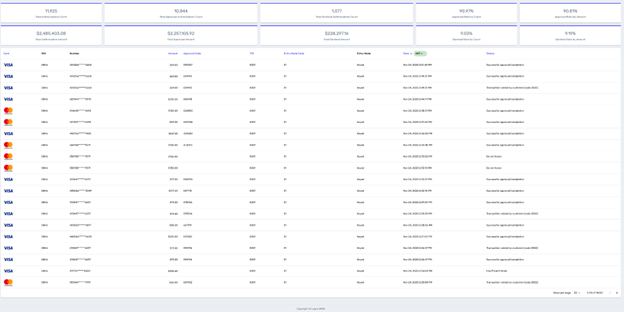
Luqra provides merchant services designed to support both online and in-person payments, with an emphasis on account transparency and risk management. Their services include:
- Dedicated merchant accounts
- Credit and debit card processing
- Payment gateway integrations
- Support for recurring billing and subscriptions
- Ongoing account monitoring and reporting
- 24/7 in-house customer support
Source: Luqra

Helcim
Who They Are
Helcim is a merchant services provider focused on transparency and simplicity. It is commonly used by small businesses that want predictable pricing and straightforward tools without long-term contracts. Helcim appeals to service-based businesses, consultants, and companies that rely on detailed invoicing.
Merchant Services They Provide
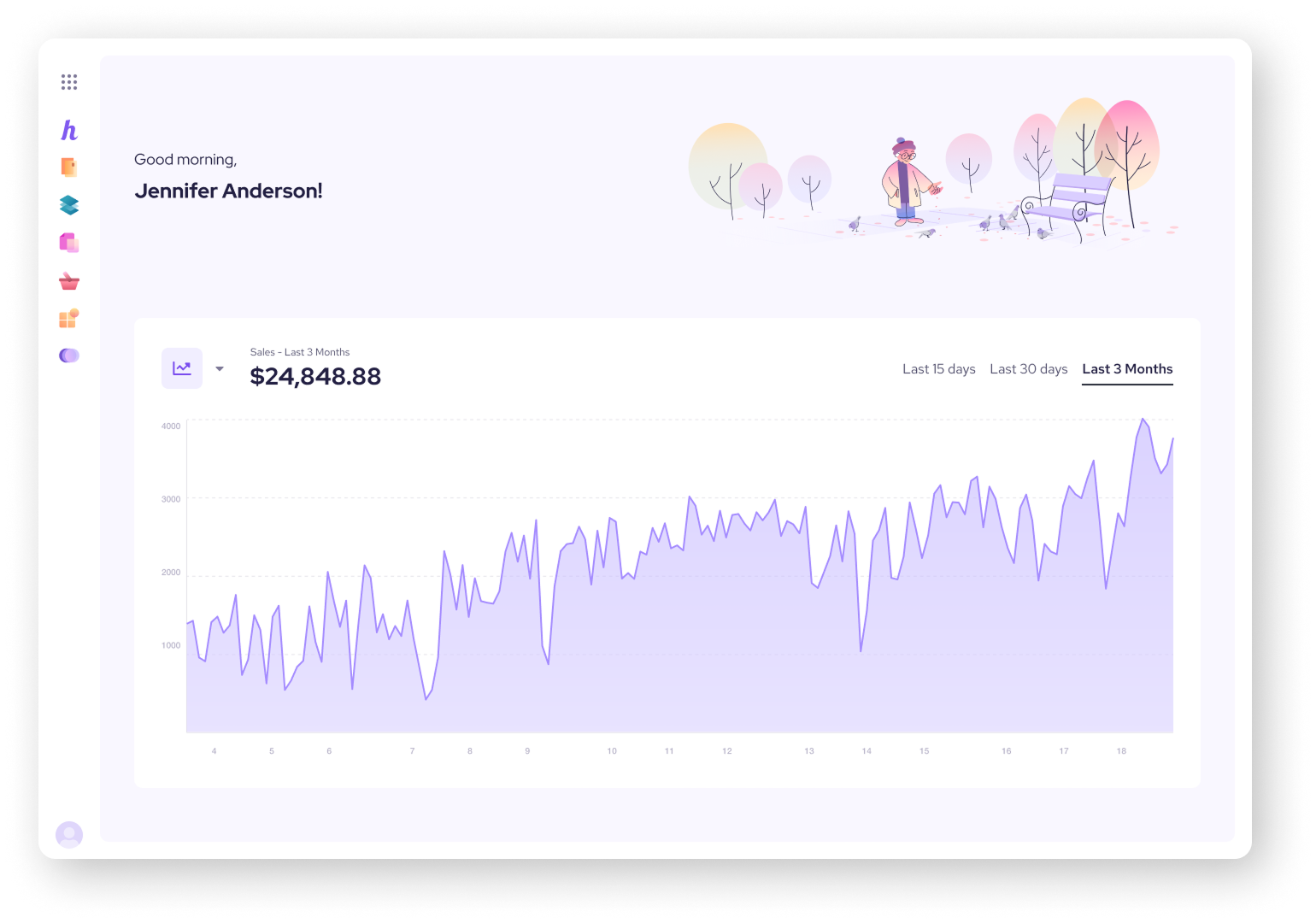
Helcim offers a range of merchant services that cover both in-person and online transactions, including:
- Card processing with interchange-based pricing
- Online checkout and payment pages
- Invoicing and recurring billing
- Basic reporting and analytics
- Payment terminals for in-person sales
Source: Helcim

Clover
Who They Are
Clover is best known for its point of sale hardware and software ecosystem. It is widely used by retail stores and restaurants that want an integrated solution for payments and daily operations.
Clover operates through a network of processing partners, which means pricing and terms can vary.
Merchant Services They Provide
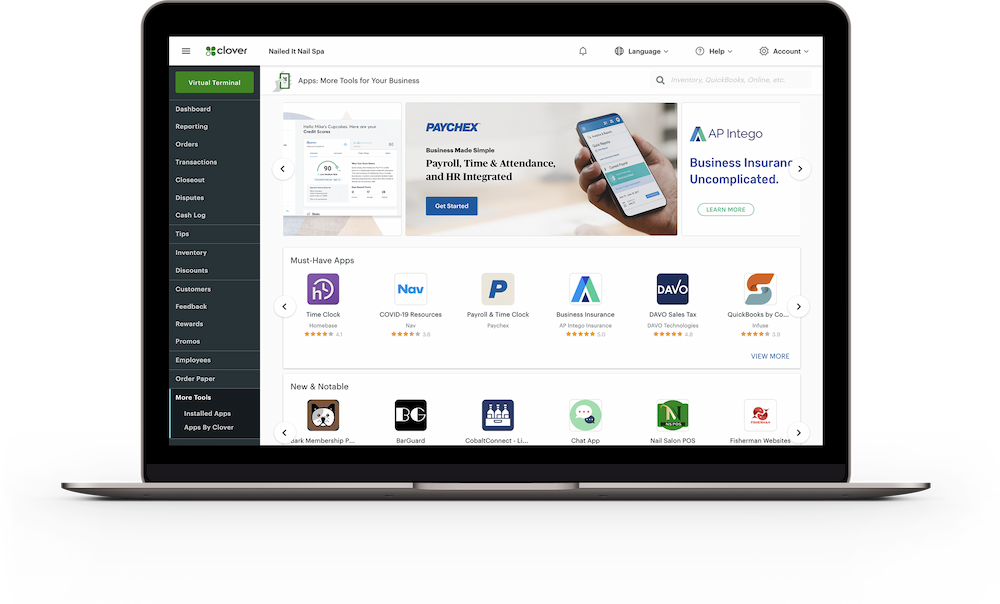
Clover’s merchant services are tightly integrated with its hardware and app marketplace, including:
- In-store card processing
- POS systems for retail and food service
- Inventory and employee management tools
- App based add ons for loyalty and reporting
- Support for online ordering and payments
Source: Clover

Square
Who They Are
Square is a popular choice for small businesses and startups due to its fast setup and simple pricing. It is widely used by sole proprietors, mobile sellers, and early-stage companies. Square prioritizes ease of use over customization.
Merchant Services They Provide
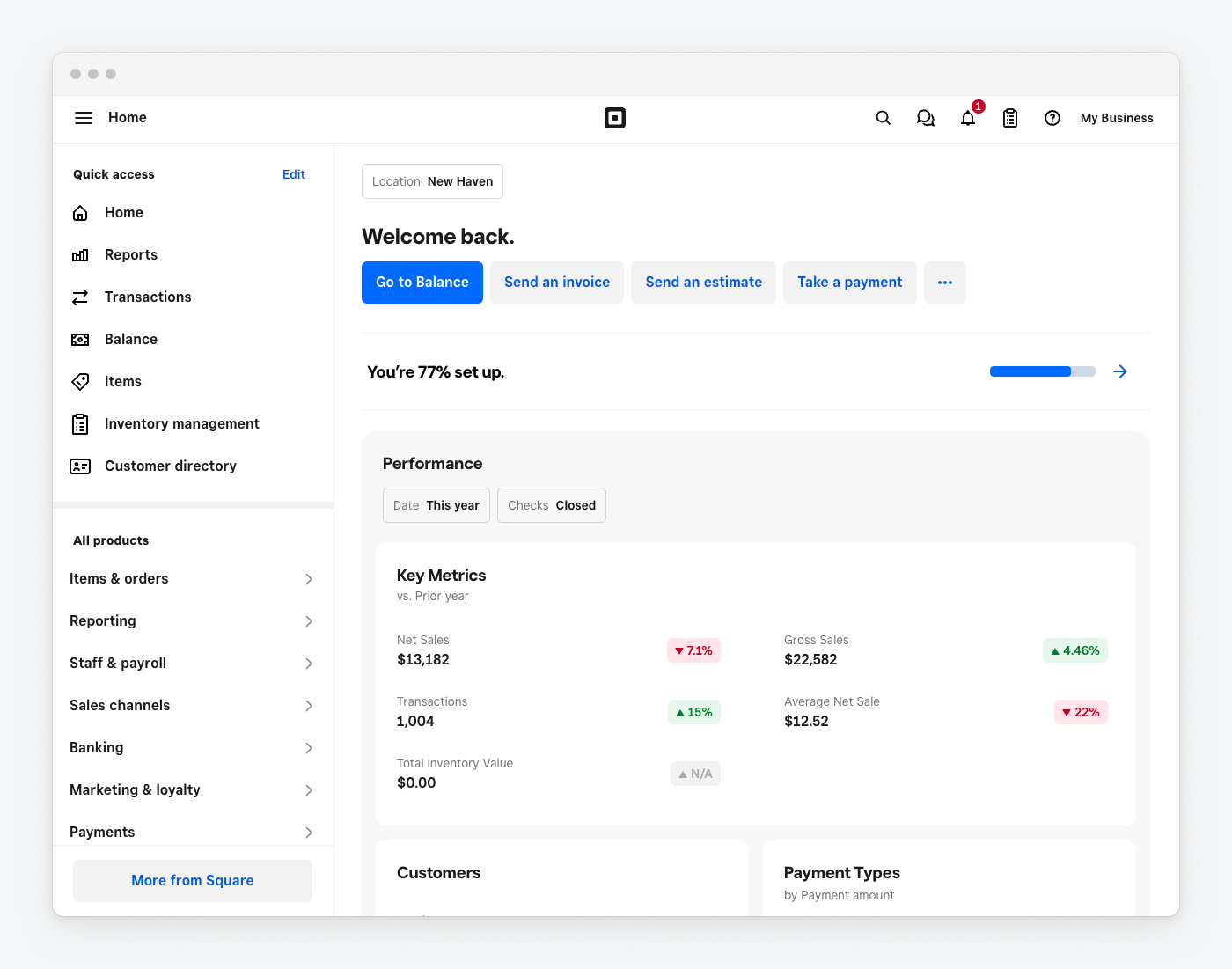
Square offers merchant services that cover basic payment needs, such as:
- Flat rate card processing
- Mobile and countertop POS systems
- Online store and checkout tools
- Invoicing and digital receipts
- Basic sales and customer reporting
Source: Square

Stripe
Who They Are
Stripe is a technology-focused payment platform primarily designed for online businesses and software-driven companies. It is known for its developer tools and global reach.
Stripe is commonly used by startups, subscription businesses, and platforms with more technically oriented teams.
Merchant Services They Provide
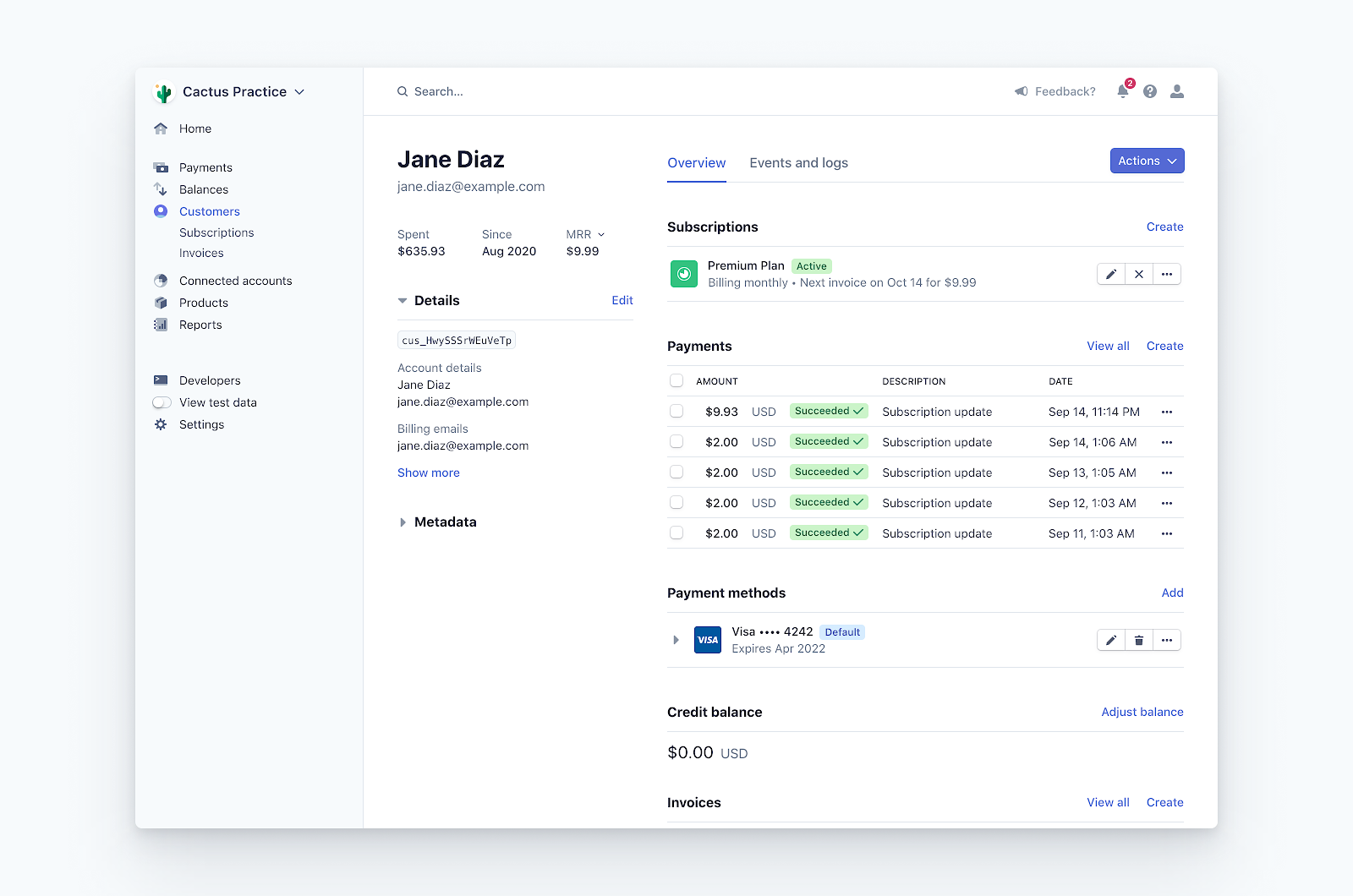
Stripe’s merchant services include:
- Online payment processing
- Subscription and recurring billing
- Support for international currencies
- API based integrations
- Fraud detection and reporting tools
Source: Stripe

Shopify
Who They Are
Shopify is an e-commerce platform that includes built-in payment processing for businesses that operate on its system. Shopify Payments is designed to work seamlessly within the Shopify ecosystem.
It is best suited for businesses fully committed to Shopify as their sales platform.
Merchant Services They Provide
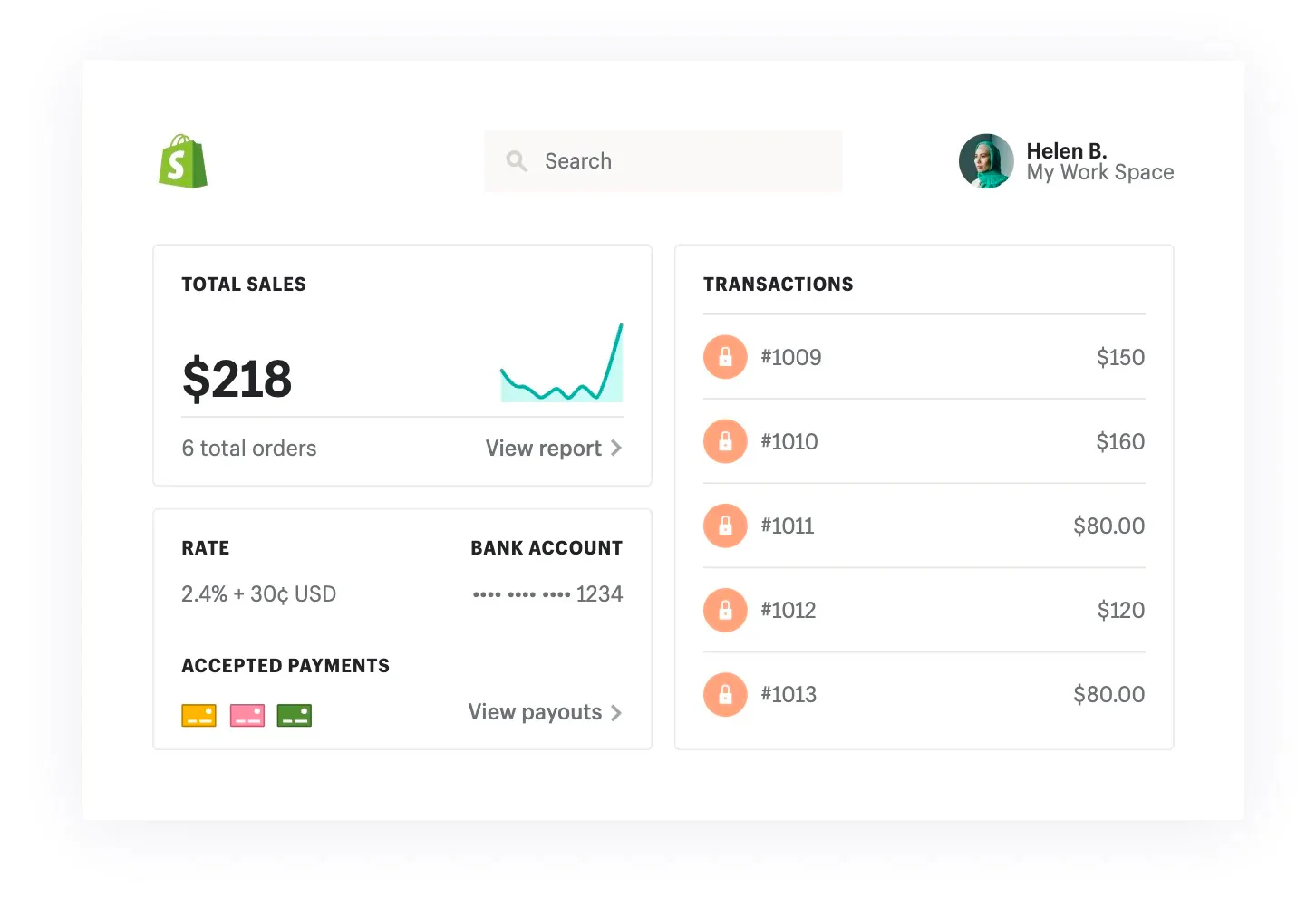
Shopify’s merchant services include:
- BNPL (Buy Now Pay Later) options
- Integrated card processing for Shopify stores
- Support for digital wallets
- Automated payouts and reporting
- Fraud analysis tools
- Multi-channel payment support within Shopify
Source: Shopify Payments
Choosing a merchant services provider requires more than comparing rates. Small businesses should evaluate how well a provider aligns with their operations, risk profile, and growth plans.
Service Offerings vs. Business Needs
Every business processes payments differently. Before choosing a provider, it helps to identify core requirements such as sales channels, billing models, and reporting needs.
A provider that excels in one area may fall short in another, so alignment matters more than brand recognition.
Pricing and Fees
Merchant services pricing includes more than transaction rates. Businesses should review:
- Processing fees and markups
- Monthly or annual fees
- Chargeback and refund costs
- Fees for additional tools or integrations
Understanding the full cost structure prevents surprises as volume increases.
Ease of Integration
Payment systems should work smoothly with accounting software, e-commerce platforms, CRMs, and internal workflows. Poor integration creates inefficiencies and increases error risk.
Scalability and Flexibility
A merchant services provider should support growth without introducing instability, especially with uncapped merchant accounts that promote growth instead of limiting it. As volume increases or sales channels expand, the payment infrastructure should adapt without disruption.
Support and Reliability
When payment issues arise, access to responsive support is critical. Downtime, frozen funds, or delayed settlements can impact a small business quickly.
Reliable merchant services combine strong infrastructure with clear communication and consistent access to help when it is needed.
Processing Stability, Scalability, & Success
In-person payment processing requires competitive rates, flexible pricing models, and dependable POS systems. Luqra offers flat-rate, IC+, dual-pricing, and cash-discount programs that can reduce processing costs to 0% for a small monthly fee.
Merchants can choose from trusted terminal brands like Pax, Valor, and Dejavoo, all preconfigured for simple plug-and-play installation. With rates starting at 2.0% + $0.10, next-day deposits, ACH capabilities, and 24/7 in-house support, businesses have the tools needed for efficient retail payment processing.
Merchants benefit from cash discount programs that can reduce processing costs to 0%, along with plug-and-play Pax, Valor, and Dejavoo terminals that simplify setup. Next-day funding improves cash flow and liquidity, while flexible IC+ and dual pricing models provide cost control. Competitive in-person rates starting at 2.0% further support affordable retail processing.
For brick-and-mortar and hybrid businesses looking for affordable credit card processing and modern POS solutions, Luqra provides reliable service and transparent pricing