Every business leaves a trace, but you decide what kind. In the processing industry, green payments are on the rise.
Going green isn’t the latest trend; it’s a cornerstone of thousands of businesses. Why have so many companies and merchants dived into the environmentally-friendly deep end? Because that’s what consumers want, and they know they have to listen.
The numbers don’t lie. Up to 80% of consumers care about sustainability. It’s not just some trend brands are trying to take advantage of, and it’s not just a new way to appeal to the social media generation. Sustainability should be a must for every business trying to scale. That could mean using more responsible materials, it could mean limiting energy usage, and it could also mean making your payments sustainable.
Just because your payments are entirely digital doesn’t mean there’s no footprint. The entire fintech industry has been turning its attention to green payments for years now, but in 2026, it’s become even more of a potential edge or advantage.
In this article, we’ll dive into what it really means to transform your payments so they’re sustainable. That means doing everything you can to reduce carbon production – and it means looking at the real-world data.
The Rise of Digital Transactions
It’s time to put paper into history’s recycling bin, but it won’t be easy.
Going green takes work. The goal is to cut down on paper, but not to cut corners. That’s why the rise of digital transactions is so key to going green. E-invoices and receipts are simpler. Instead of some fragile paper receipt that most people throw out in a matter of minutes, you can send an email or text that provides that same information.
These are just a few examples of digital payments:
- E-invoices
- E-receipts
- ACH Payments
- Digital Wallets
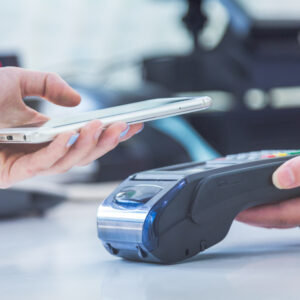
- Contactless Payments
They don’t fix the problem, but every one of those helps to prevent more deforestation and pollution. That’s good for the environment, and it’s good for your brand. The simple fact is that in 2026, digital payments should be the standard, not the alternative. Turn paper receipts into a rarity, and you turn your business into a more attractive brand to modern consumers.
Why? Because digital payments lead to a green reputation.
A Transaction’s Carbon Footprint
An invisible payment can still require visible resources. Printing cash, minting coins, and buying receipt paper all increase carbon footprints, and even digital transactions can still leave a mark.
Cryptocurrency is famous for the massive power required to run servers during the mining process. Despite what many believe, digital currencies are still leaving their own mark, even if you have to look closer to find it.
These are just a few of the digital payments that leave a physical footprint:
- Data Centers
- Crypto Networks
- Payment Terminals & Hardware
- Consumer Devices
- Telecommunication Networks
- Cooling & Backup Systems
You can’t necessarily fix any of those problems, but you can choose a partner with an energy-efficient payment infrastructure. Never forget that in fintech, sustainability starts at the server, not at the checkout cart.
Energy-Efficient Payment Infrastructures
Green data centers do exist; you just have to look for the certifications that identify them. When you’re looking for a new appliance, you might look for an “ENERGY STAR” logo before you make the choice. The same goes for a data center.
If they’re truly green, they’ll have an ENERGY STAR score to show off. A good rating means they do more than cut down on paper. It means they lower energy usage during off-peak times, with some companies now using AI to predict when spikes will occur and when they won’t.
Want to commit to renewable energy? Find a hosting partner who does too, because in 2026, their energy rating matters just as much as their processing rate.
How Sustainable Payments = Sustainable Profits
If you’re not looking forward, you’ll fall behind your competitors. Sustainability is definitely a hot-button issue right now, but that doesn’t mean it’s a trend that will fall out of favor in a matter of months. The environment is a growing concern to anyone who’s paying attention, so capitalize on that by making your business concerned about it.
That’s why sustainable payments can lead to sustainable profits. It’s another foundation for you to build your brand on. But that means more than ordering recycled paper or adding contactless payments. Your customers need to feel that difference to be a part of that difference, so give them incentives and offers that do that.
What to offer:
- Discounts: Every consumer loves a discount. There’s no better incentive to go green than a cheaper bill.
- Incentive Badges: People love showing off on social media, and it’s not always new jobs or vacations. Create badges that consumers have to earn. Make them feel accomplished by giving them a token that represents how proud they should be to make the green switch.
- Show Estimated Savings & Benefits: Knowledge is everything. If a consumer is making a quantifiable difference with a green payment option, tell them! Tell them the exact amount of energy or paper they saved by choosing a different option.
- Eco-rewards Programs: Customers love benefits and rewards. They want a reason to come back to your business, so give them one with a program that rewards eco-conscious behavior. It could have to do with their purchases, or it could have to do with decisions made outside your company, but the tangible rewards they earn will boost their ego and your brand loyalty.
What you’ll get:
- Increased Customer Loyalty: Customer retention is everything. Increasing your customer return rate by just 5% can lead to a 25% increase in profits. Making unique offers or adding them to rewards programs makes them feel appreciated and keeps them coming back.
- Operational & Material Savings: Using less paper helps the environment, but it also means you use less paper. Find ways to increase operational efficiency to use less energy or resources, and you’ll find yourself paying less in costs. It’s more than saving the environment, it’s a savings for your bank account.
- Compliance Under Increasing Regulations: Regulatory bodies aren’t adapting as quickly as the average consumer, but regulations are becoming stricter every year. Get ahead of the curve by anticipating changing regulations. Make processes safer and less costly on the environment, and you’ll pay less in fines down the road.
- Market Differentiation: Being environmentally-friendly is more than a quick benefit; it’s a unique selling point. Every USP that could separate you from your competition is a good thing, especially when it reflects your customers’ ever-changing perspective.
It’s not easy going green. Depending on your industry, it could be a monumental change to your operations and your business, but the benefits are clear. Sustainability has been revolutionizing businesses and consumer decisions for decades now, and it’s also made its way into payment processing.
Putting Sustainable Power Behind Every Single Payment
Luqra is the invisible engine behind many merchants, agents, and ISOs – but it’s also a green engine.
Sustainability isn’t just a detail we mention on our website; it’s part of our brand identity. Every inch of our company is designed for efficiency and to limit our carbon footprint. We utilize energy and data responsibly, while also offering the payment options your customers want to use.
Going green doesn’t mean sacrificing speed or reliability, because with Luqra, you get both.